When the Road Becomes Part of the Game
Every coach knows that championships aren’t only won on the field—they’re built through preparation, focus, and recovery. Yet one factor often overlooked can make or break a performance: how athletes travel.
From junior leagues to elite programs, travel days are stressful. Crowded vans, unpredictable driving schedules, and cramped conditions drain energy before the first whistle. In contrast, professional charter travel turns that chaos into calm—creating a mobile environment for focus, rest, and team unity.
This guide explores how premium bus transportation directly impacts athletic performance, the science behind travel fatigue, and what the best-managed teams in British Columbia are doing differently.
1. The Physiology of Travel Fatigue
How the Body Reacts to Poor Travel
Long hours in tight spaces increase muscle tension, limit circulation, and dehydrate athletes—three of the most common precursors to poor performance.
Research in sports physiology links extended sitting and low mobility with reduced flexibility and slower recovery times.
When athletes spend hours hunched in a van or on multiple flights, lactic acid builds up and sleep cycles get disrupted. Even a short 200-kilometre trip can affect muscle readiness and reaction time if comfort and posture aren’t properly supported.

Hydration and Recovery
Temperature fluctuations and dry environments further compound fatigue.
Luxury charters equipped with climate control and accessible hydration options help maintain optimal body conditions. Consistent airflow, humidity control, and space to move all contribute to faster recovery after the ride.
Sleep Quality Matters
Poor travel conditions reduce REM sleep the night before a competition.
Quiet, stable travel allows players to nap or rest comfortably en route—a critical edge before back-to-back games or tournaments.
2. The “Quiet Zone” Advantage
Focus on the Road
Between school buses, carpool chatter, and post-practice noise, most athletes rarely get true downtime before a game.
Elite teams are now designing “quiet zones” into their travel routines—a concept borrowed from sports psychology and used by professional leagues worldwide.
The goal is simple: reduce sensory overload so athletes can mentally prepare.
A smooth, quiet coach interior minimizes external noise and vibration, helping players visualize plays, review film, or simply stay calm.
Cognitive Recovery
Mental fatigue can be just as damaging as physical fatigue.
A peaceful travel environment allows the brain to shift from stimulation to focus, stabilizing mood and improving concentration when the game starts.
Team Culture and Respect
Instituting a “quiet period” during travel signals discipline and professionalism.
It tells athletes, this is part of preparation, not downtime.
Luxury coaches make this practice possible with their comfortable, low-noise interiors and climate-controlled cabins that support mental clarity.
3. Reducing Pre-Game Stress Through Better Travel
Logistics Fatigue Is Real
Travel days are often the most stressful part of competition weekends—packing gear, finding rides, navigating new cities.
When athletes arrive late or disorganized, cortisol (the body’s stress hormone) spikes, affecting energy levels and reaction time.
Centralizing everyone on a single, comfortable coach removes dozens of stress points—no carpool confusion, no split arrivals, no parking chaos.
Comfort = Control
Predictable, comfortable travel reintroduces structure.
Coaches can plan exact arrival times, athletes can settle into routines, and parents or administrators know everyone is safe and accounted for.
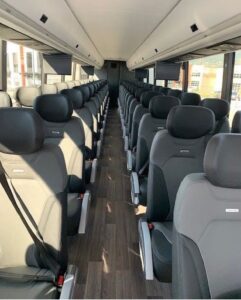
With reclining seats, ample storage, and onboard restrooms, athletes stay composed—no rushing, no discomfort, no distraction.
Building Confidence En Route
Every successful pre-game routine starts with predictability.
When players step onto the same coach each trip—clean, quiet, and professional—it triggers a familiar mindset: it’s game time.
That psychological association helps athletes shift into performance mode well before they reach the venue.
4. What Top-Performing Teams Do Differently When Traveling
They Treat Travel Like Training
Elite programs don’t see travel as a break in routine—it’s part of the regimen.
They use consistent schedules, comfortable vehicles, and defined rules for rest and nutrition.
Athletes are encouraged to bring travel pillows, noise-canceling headphones, or recovery tools.
Coaches use the time to build strategy, review plays, or set expectations. The journey becomes a mobile extension of team culture.
They Prioritize Recovery Over Rush
Rushed travel often leads to tight warm-ups and rushed mental transitions.
Professional teams plan travel windows that allow athletes to arrive early enough to hydrate, stretch, and reset.
High-quality charter buses help maintain recovery during the ride, so players step off ready—not stiff.
They Understand the Value of Cohesion
When a team travels together, communication improves.
Players laugh, debrief, and bond naturally without the fragmentation of separate vehicles.
Those shared experiences translate into trust on the field—small moments that build championship chemistry.
They Choose Professional Partners
Top programs know that transportation is part of their brand.
They choose providers with proven safety records, professional drivers, and clean, modern vehicles.
Reliability isn’t just convenience—it’s performance insurance.
5. The Psychology of Comfort and Performance
How Environment Shapes Behavior
The brain constantly takes cues from surroundings.
A calm, spacious travel environment encourages calm, confident behavior.
Crowded or chaotic conditions, on the other hand, trigger stress responses that linger long after the trip ends.
The Role of Ritual
Travel rituals—loading order, music, or pre-game silence—build stability.
Luxury coaches provide a consistent, comfortable backdrop for these rituals, helping athletes mentally transition from daily life to competition mode.
Confidence Through Preparation
When teams see every detail handled—timing, cleanliness, comfort—it communicates professionalism and care.
That perception builds confidence, not just in management but within each athlete.
6. Sustainability and Responsibility in Sports Travel
Modern athletic organizations are increasingly focused on eco-responsibility.
Choosing a single charter over dozens of cars reduces emissions dramatically.
For clubs and schools promoting sustainability, team bus travel is one of the simplest ways to cut environmental impact while strengthening community reputation.
Beyond emissions, professional charters contribute to safety accountability—fewer vehicles, professional oversight, and lower highway risk.
7. What Coaches and Managers Should Look For
When evaluating athletic travel partners, prioritize:
- Certified Professional Drivers with experience handling sports groups
- Safety Records verified through provincial licensing
- Comfort Features (reclining seating, climate control, Wi-Fi for game prep)
- Communication and Reliability from dispatch to drop-off
- Flexibility for tournament-style, multi-day travel
Partnering with a transportation provider that understands sports logistics ensures your team arrives ready—not exhausted.
8. Case Example: BlueStar Coachlines and High-Performance Logistics
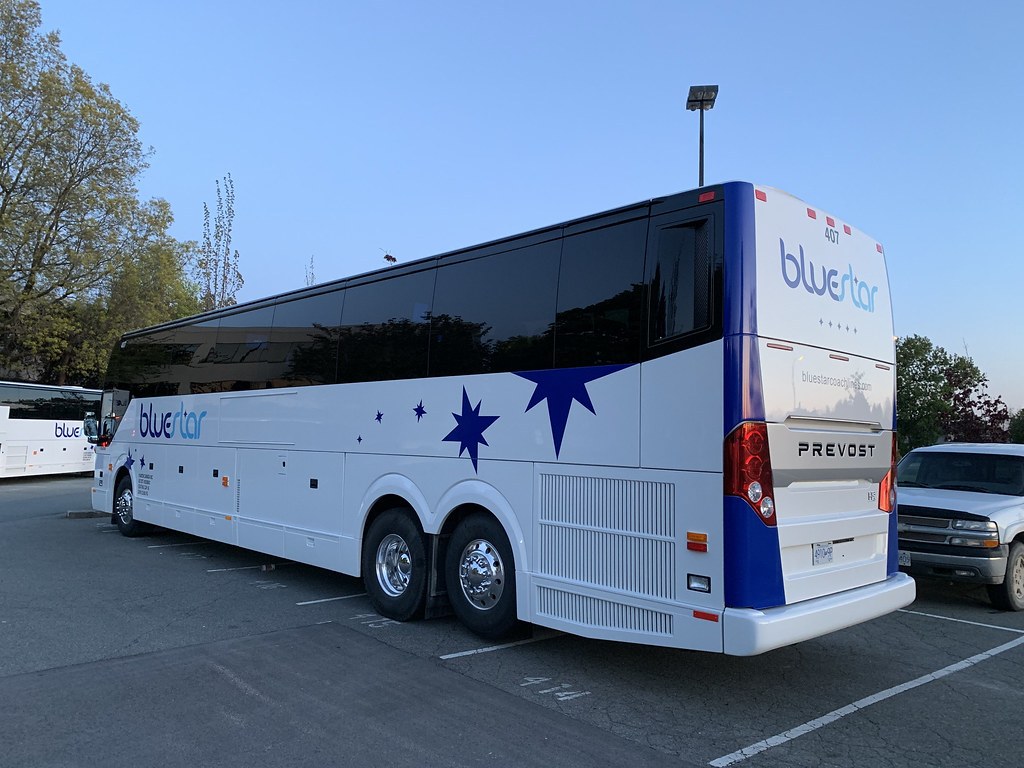
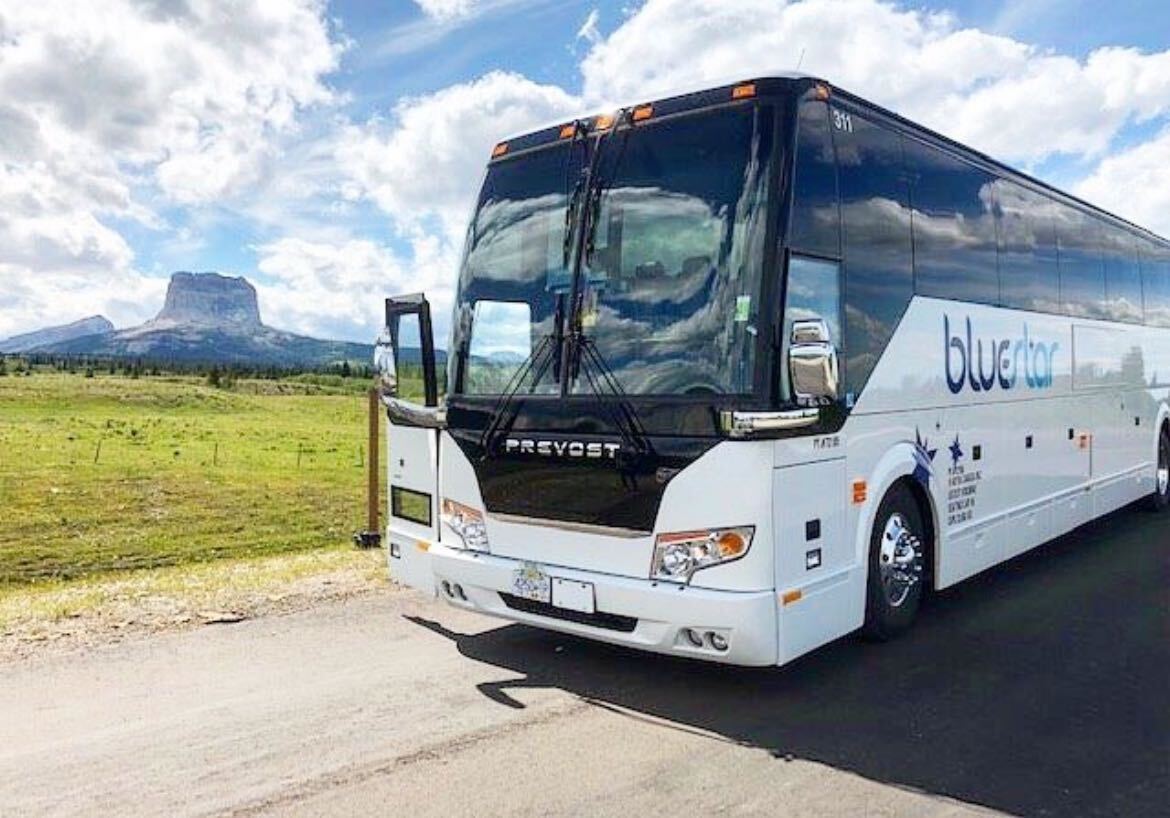
BlueStar Coachlines has supported countless athletic organizations across British Columbia, providing transportation for tournaments, school sports, and national-level events.
Its experience managing complex logistics—like the 2025 G7 Conference in Alberta—demonstrates the same precision, reliability, and professionalism that sports teams now rely on.
Each coach is maintained to the highest safety standards, operated by trained professionals who understand the unique timing, focus, and recovery needs of athletes on game day.
Whether it’s a junior hockey roster heading to Kamloops, a university soccer squad traveling to Kelowna, or a provincial championship run in the Okanagan, BlueStar ensures every trip supports peak performance through comfort, timing, and care.
9. The Science of Calm: Why Comfort Matters More Than You Think
Sports psychologists often emphasize state control—the ability to regulate focus, stress, and energy levels before performance.
Luxury travel helps teams achieve this by minimizing external variables.
- Stable Temperature: Prevents dehydration and fatigue.
- Smooth Ride: Reduces tension in muscles and joints.
- Reduced Noise: Supports mindfulness and visualization.
- Spacious Design: Encourages relaxed posture and recovery breathing.
In essence, the vehicle becomes part of the preparation system, not just a means of transport.
10. Let BlueStar Handle the Drive So Your Team Can Focus on the Win
Great teams are built on preparation, discipline, and recovery.
Luxury charter travel supports all three—turning the ride into an extension of the game plan.
Whether you’re organizing a short trip to Kelowna or a multi-day tournament across BC, BlueStar Coachlines delivers the reliability, comfort, and calm your athletes need to perform at their best.
Let BlueStar handle the drive so your team can focus on the win.